A Complete Guide to Scoring Free Stuff Near You Without Spending
A Complete Guide to Scoring Free Stuff Near You Without Spending There is a very specific kind of annoying moment: you’re out running errands, you’re hungry,...
A Complete Guide to Scoring Free Stuff Near You Without Spending
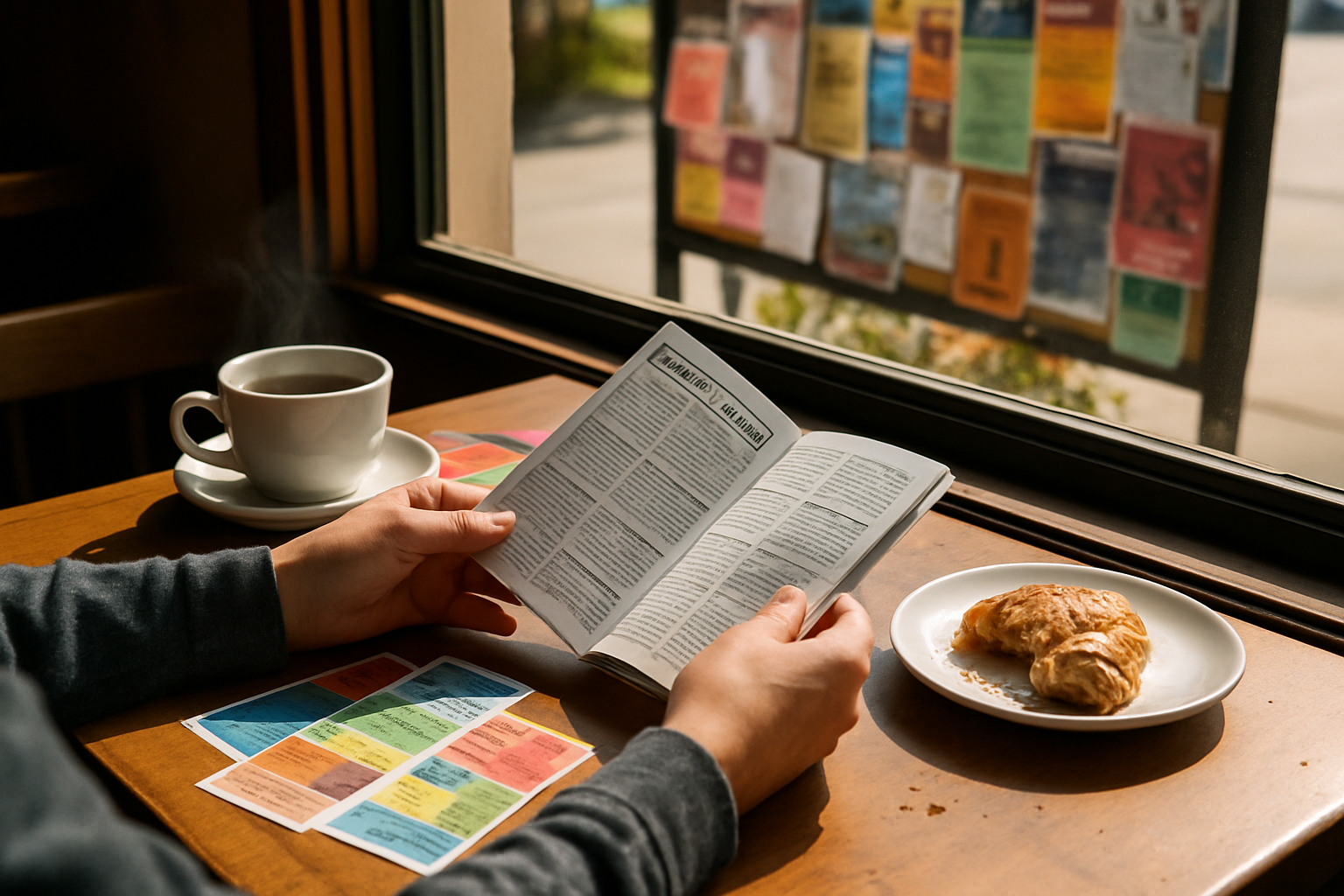
There is a very specific kind of annoying moment: you’re out running errands, you’re hungry, your phone says you have $14.82 left until payday, and then you realize the coffee shop app you downloaded six months ago has a free drink sitting in it.
That free drink does not solve your life. Obviously. But it does mean you get a latte, a little treat, and maybe enough emotional stability to keep walking through Target without buying a candle named something like “Coastal Divorce.” Free stuff matters more than people act like it does.
I started paying attention to freebies because I hate paying full price for things that businesses are basically begging people to claim. Restaurants want you in their app. Stores want your email. Brands want you to try a product once so you hopefully come back and spend money later. Fine. I can work with that.
The trick is not signing up for every random “GET A FREE SAMPLE!!!” thing on the internet and ending up with 47 promotional emails plus one sad packet of shampoo. The trick is building a small system that finds the stuff actually near you, actually useful, and actually free without making saving money feel like a second job.
Here’s how I do it, what’s worth the effort, what’s kind of overrated, and where the real savings are hiding in 2026.
First, know the difference between free and “free with a bunch of nonsense”
I’m picky about this. A free item with no purchase is free. A $5 reward after spending $50 is a discount. A “free” cookie if you buy a $17 meal is not a free cookie, it is a cookie hostage situation.
That doesn’t mean purchase-required offers are always bad. If you were already going to buy lunch at a place and the app gives you free fries, great. Take the fries. But don’t drive across town and spend $12 just to unlock a free mini dessert worth $2.49. That is how these apps get you.
My basic rule: if the offer saves money on something I already wanted, it counts. If the offer creates a reason to spend, I treat it like advertising.
Start with the apps you already use, because those are the easiest wins
The fastest route to free stuff near you is honestly your existing phone. Check the apps for places you already visit, even occasionally. A lot of people download a restaurant app for one order, forget about it, then miss out on offers for months.
Restaurant and coffee rewards apps
For regular free food and drink offers, these are usually the most useful category. Not every offer is amazing, but the good ones stack up.
- McDonald’s app: Usually one of the better fast food apps for rotating deals, reward points, and occasional free-item offers. The exact deals vary by location, but it’s worth checking before you order. If you buy coffee, fries, or breakfast there at all, the points can turn into free food pretty quickly.
- Starbucks Rewards: This one is only worth it if you already go to Starbucks. I would not start buying $7 drinks in order to earn “Stars.” But if it’s already part of your routine, rewards and member offers can get you free drinks or food items over time.
- Dunkin’ Rewards: Same deal. Useful for people who already stop there, not a reason to become a person who stops there. Offers can be solid when they line up with your usual order.
- Chick-fil-A One: Locations and account activity can affect offers, but many users get occasional free treats or rewards. The points are straightforward enough.
- Panera Bread: MyPanera can send rewards and personalized offers. Sometimes it’s just a discount, sometimes it’s a genuinely nice free bakery item or drink situation. Check before ordering, not after.
- 7Rewards: If you go into 7-Eleven for drinks, snacks, or the occasional “I need something salty immediately” stop, the app can have free-item promos and points-based rewards.
- Circle K Inner Circle: This can be surprisingly useful if there’s a Circle K near you. Their offers change, and some are more discount-heavy than freebie-heavy, but gas station apps are weirdly underrated for drinks and snack deals.
Real-world savings here can be modest but very real. Let’s say you claim two free coffees a month worth around $4 each, one free fast food item worth $3, and a free snack or fountain drink worth $2. That’s roughly $13 a month, or more than $150 over a year. Not glamorous, but neither is paying for something you could have gotten free.
Also, check the app before you get in line. I know this sounds obvious. I have absolutely watched people order, pay, then open the app and find a deal that would have cut their bill in half. It hurts.
Use a deals finder instead of hunting every brand one by one
There are a million offers out there, and the annoying part is that they’re scattered across restaurant apps, local chains, mall stores, grocery stores, social pages, and emails nobody wants to read.
Birthday Hunter is a free app and website where you can find deals, freebies, and rewards year-round. Despite the name, it’s useful beyond birthday stuff, especially if you’re looking for offers near you without making a spreadsheet of every restaurant in town. Search around your city, check categories you actually care about, and use it as a shortcut instead of trying to remember which chain gives what.
If you have ever typed “birthday freebies near me” into Google and then ended up on a sketchy-looking list from seven years ago, you already understand why a current, searchable tool is better. A lot of those old lists are full of expired offers, moved locations, or deals that changed from “free entree” to “free thing with $30 purchase.” No thank you.
Get on local store email lists, but make a separate email address first
This is one of the least exciting tips and one of the most effective. Make a Gmail address just for rewards programs, store coupons, samples, local events, and freebies. Something like yourname.deals@gmail.com. Nothing fancy.
Then use that email when you sign up for loyalty programs. You’ll still get the offers, but your real inbox won’t become a landfill of “YOU LEFT SOMETHING IN YOUR CART” messages from a sock company.
Local businesses are especially good for this. Independent coffee shops, bookstores, yoga studios, bakeries, plant shops, ice cream places, breweries, and boutiques often send better offers than giant chains because they’re trying to get people through the door. You might see:
- A free drink for joining the loyalty program
- A free cookie or pastry during a slow weekday
- A sample sale or sidewalk event with giveaways
- A “bring a friend” class that doesn’t charge the guest
- Free tote bags, stickers, books, or product samples at a launch event
- Store credit for donating clothes, books, or used items
Is every email worth opening? No. Most are just trying to sell you a $42 candle. But local offers can be better than national ones because they’re not copied across every market.
Use grocery and pharmacy apps like they are coupon machines, because they kind of are
I used to think grocery store apps were annoying. They are annoying. The interface is often bad. The coupons sometimes vanish at midnight for no reason. You have to clip offers like it’s a tiny digital chore chart.
But grocery apps can save serious money if you buy groceries anyway, which, tragically, most of us have to do.
Apps and programs that are actually useful
- Kroger and affiliated stores: Digital coupons, weekly deals, fuel points, and occasional free-item promotions through the app. Store names vary by region, but the system is similar across many Kroger-owned grocery chains.
- Target Circle: Target’s rewards program can include personalized offers, manufacturer coupons, and gift card promotions. The “buy X, get a Target gift card” deals are not free in the purest sense, but they are worth tracking for household basics you already buy.
- CVS ExtraCare: The printed or digital ExtraBucks deals can be good for toothpaste, shampoo, soap, detergent, and snacks. CVS pricing is sometimes wild, so compare the final out-of-pocket cost, not the giant “you saved” number.
- Walgreens myWalgreens: Similar story. Digital coupons and store rewards can make toiletries and pantry items cheap or occasionally free after rewards, especially during promotional weeks.
- Safeway, Albertsons, and regional grocery apps: Many have just-for-you coupons, app-only prices, and reward programs. The exact perks depend on where you live, but it takes maybe two minutes to look before shopping.
- Flipp: This app pulls together weekly flyers so you can search for a product, like coffee, chicken, paper towels, or cat food, and see who has it on sale nearby. Not free, obviously, but it stops you from buying stuff at the worst possible price.
A realistic example: if you use app coupons to save $8 to $15 a week on groceries and household basics, that’s $400 to $780 a year. That is not “clip 900 coupons and store toothpaste under your bed” money. That’s just checking the app while making your list.
The stuff I think is most worth couponing: laundry detergent, toothpaste, deodorant, shampoo, dish soap, paper products, cereal, frozen food, coffee, and pet supplies. The stuff that can become a time suck: chasing very specific deals on products you don’t normally use. If you hate that toothpaste, it wasn’t a bargain.
Free samples are real, but don’t make them your personality
Samples are fun. Free sample sites are also full of expired links, survey traps, and offers where you spend 20 minutes answering questions for a single packet of moisturizer. I’m not saying never do them. I’m saying set a limit.
For legitimate samples and product testing, look at the brand’s own website first. Food brands, beauty companies, pet brands, and household product companies sometimes run official campaigns. You can also watch verified brand social accounts for local pop-ups and sampling events.
Freebie aggregators can help you spot offers, but always read the terms before handing over your address. If the offer suddenly asks for a credit card to cover “shipping” or funnels you into a subscription, close it. A free sample should not require you to cancel something later.
My honest take: free samples are best for things you were curious about anyway, like skincare, coffee, pet food, protein bars, or cleaning products. They are not a reliable way to stock your home. You may get a cute mini product. You will not build a functioning pantry from tiny promotional granola bars.
Check local event calendars, especially during opening weeks
This is where people leave a lot of free stuff on the table. New businesses want attention. Apartment complexes hosting open houses want foot traffic. Gyms want leads. Farmers markets want people to hang around. Libraries, museums, colleges, and downtown associations host events all the time.
Search your city plus phrases like:
- free community events
- grand opening giveaway
- free tasting
- vendor market
- library events
- free museum day
- concerts in the park
- pop-up market
- college event calendar
Facebook Events is still weirdly useful for this, even if the rest of Facebook makes you feel like you walked into a family reunion you didn’t agree to attend. Eventbrite can be good too, particularly for workshops, store openings, gallery nights, local classes, and ticketed events that offer free registration.
What you can score at these things depends on the event. I’ve seen free coffee tastings, tote bags, snacks, plant cuttings, fitness class passes, bookstore bookmarks, bakery samples, coupons, makeup samples, and enough branded pens to last a lifetime. The branded pens are not thrilling, but free snacks at a street festival? Absolutely.
Just don’t go expecting a giant haul every time. The best reason to attend is that you want to be there anyway. The free stuff is a bonus, not a reason to spend $28 on parking and overpriced lemonade.
Your library card is probably the most underused freebie tool you have
I will say this forever: get a library card. Your local library is not just books, though books are already a pretty good deal considering they cost nothing.
Many libraries offer free access to things people pay monthly for, depending on the library system. That can include ebooks through Libby, audiobooks, digital magazines, museum passes, language learning tools, streaming movies through Kanopy or Hoopla, online classes, printing credits, maker spaces, seed libraries, meeting rooms, and even tool lending.
Yes, tool lending. Some library systems lend out drills, sewing machines, baking pans, telescopes, board games, Wi-Fi hotspots, and other stuff that would otherwise sit in your closet after being used once.
A museum admission for two people can easily cost $30 to $60 depending on the city. Borrowing a pass through the library when available is a real savings, not a “save 15 cents with this secret hack” kind of thing. Same with audiobooks. If you listen to two or three a month instead of buying them, that can save a lot over a year.
Call or check your library website. The offerings are wildly different place to place, and some of the good stuff has waitlists or reservation rules.
Join rewards programs before you need them
This is boring advice, but it works because offers tend to show up after you’ve been in a program for a while. Sign up when you’re calm at home, not while you’re standing at a checkout counter with three people behind you and a cashier asking for your phone number.
Keep it simple. Pick maybe 10 to 15 places you realistically use: your grocery store, pharmacy, gas station, coffee place, a couple fast food spots, a casual restaurant, a clothing store, and any local shops you like. That’s enough.
You do not need a loyalty account for every chain in America. That’s how you end up with notifications telling you it’s “National Loaded Tater Tot Day” at 9:14 a.m. I’m not judging, I’m just saying boundaries are healthy.
For restaurant programs, look for signup bonuses, recurring app offers, and point systems that don’t expire too fast. For retail programs, look for free shipping events, member-only coupons, and rewards that can be redeemed without a huge minimum purchase.
Use cash-back apps only for purchases you were already making
Cash back is not technically free stuff, but it can fund free stuff later. This category gets overhyped because influencers love showing a massive rebate haul without mentioning the amount of spending required to get there.
Ibotta, Fetch, Upside, Rakuten, and Shopkick are real options, but they do different things.
- Ibotta: Often useful for grocery rebates and some online offers. Check the exact product and store requirements before buying.
- Fetch: You earn points by scanning receipts, then redeem points for gift cards. It’s easy, though it can take time to earn enough for a meaningful reward.
- Upside: Can offer cash back at participating gas stations, restaurants, and stores. Availability depends heavily on your area, so it may be great or nearly useless.
- Rakuten: Best for online shopping you were going to do anyway. Activate cash back before checking out, then wait for it to post.
- Shopkick: Offers points for in-store and online actions, including scanning eligible products. I think this one is only worth it if you’re already in the store. Do not wander around scanning things for 45 minutes to earn what amounts to half a granola bar.
Fetch is probably the least effort. Rakuten is great for planned online purchases. Ibotta can be excellent when the rebate matches your normal grocery list. The rest depend on your habits and where you live.
A reasonable annual savings from cash-back apps might be $50 to $250 for someone who uses them casually and doesn’t buy random things just to trigger offers. Anybody promising thousands without a lot of spending, coupon stacking, or referral hustle is leaving out some details.
Look for “free with signup” fitness, hobbies, and classes
Food freebies get all the attention, but free experiences can save more money. A free workout class is worth more than a free donut, even though the donut is arguably more exciting.
Check local gyms, climbing gyms, yoga studios, dance studios, martial arts schools, art studios, and community centers. A lot of them offer a first class free, a trial week, a guest pass, or an intro session.
Read the fine print. Some places are totally fine, you book a free class and leave if it’s not your thing. Others make cancellation annoyingly difficult or push memberships hard. If a “free trial” asks for your card and has vague cancellation terms, I would skip it. Free should not come with a calendar reminder titled “CANCEL THIS BEFORE IT CHARGES $89.”
Community colleges, parks departments, libraries, and recreation centers also run free workshops. Think resume help, cooking demos, gardening sessions, basic computer classes, craft nights, language exchanges, and job fairs with free headshots. Those are the kind of freebies that can be genuinely useful, not just clutter.
Use social media strategically, then mute it when you’re done
Follow local businesses you like on Instagram or TikTok, especially restaurants, cafés, markets, bookstores, malls, and event spaces. New menu launches, customer appreciation days, popup events, and flash giveaways often get posted there first.
You do not need to spend hours scrolling. That defeats the point and somehow makes you want to buy things you didn’t know existed. Make a small list of local accounts, check Stories once or twice a week, and move on.
Watch for words like “first 50 customers,” “free tasting,” “open house,” “community day,” “popup,” “giveaway,” and “RSVP.” If you’re interested, verify the date, location, and whether there is any purchase requirement. “Free gift with purchase” is not the same thing as “free gift,” and businesses are very casual about blurring that line.
Don’t sleep on buy-nothing groups and neighborhood exchanges
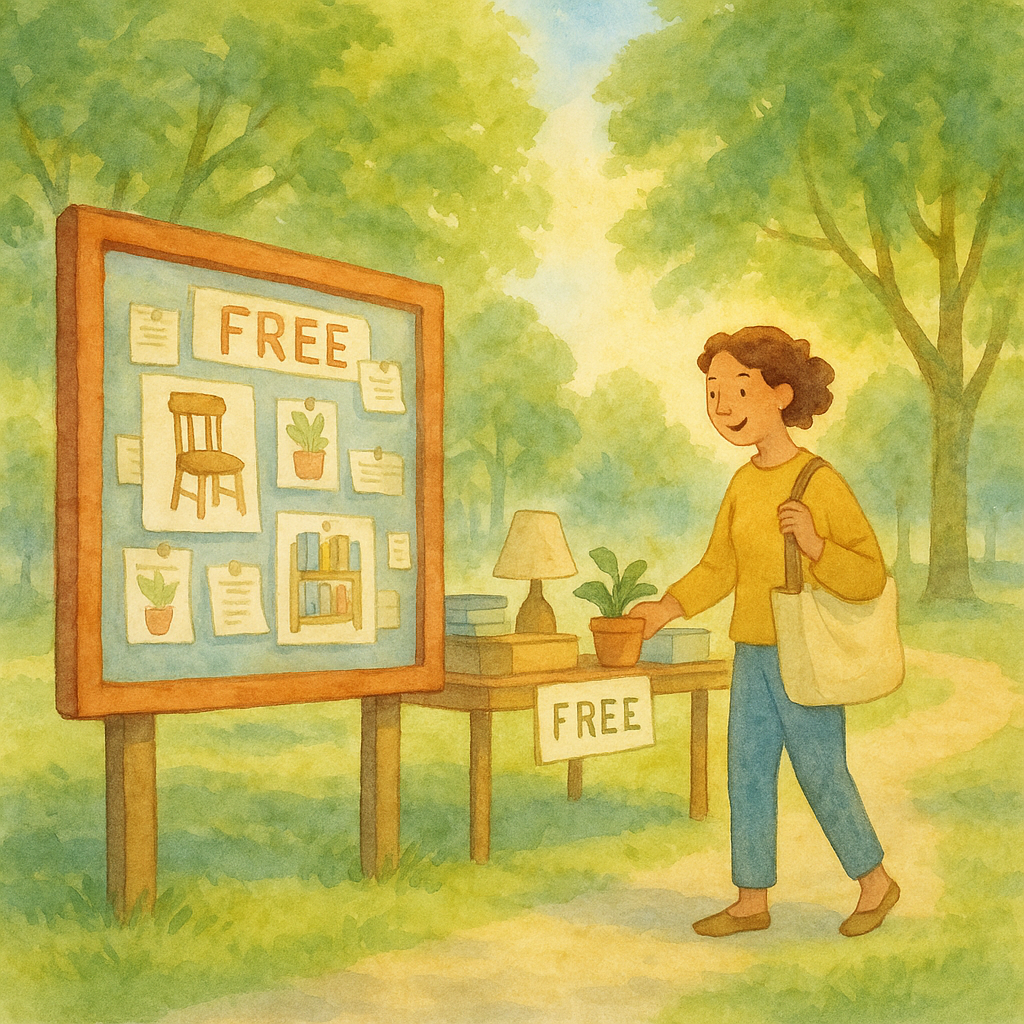
This is not a brand freebie, but it is one of the best ways to get actual useful stuff without spending. Buy Nothing groups, Facebook Marketplace’s free section, Nextdoor listings, Freecycle, and local mutual aid groups can be gold mines for furniture, kitchen supplies, moving boxes, plants, kids’ items, craft materials, clothes, and home decor.
People give away perfectly good stuff because they’re moving, decluttering, changing hobbies, or just sick of looking at it. The best listings go fast, so turn on notifications if you’re looking for something specific.
A few safety basics because the internet is the internet: meet in public when possible, bring someone if a pickup feels off, don’t send deposits for “free” items, and trust your gut. If someone says they need a $25 gift card before you can pick up a free dresser, that is not a dresser. That is a scam wearing a dresser costume.
The savings can be huge here. A free desk, set of shelves, microwave, or box of kitchen basics can easily save $50 to several hundred dollars. This is especially good if you’re moving, starting over in a new place, or trying not to furnish an apartment entirely from overpriced big-box stores.
Seasonal promos can be great, but set alerts instead of obsessing
A lot of the best no-purchase freebies show up around holidays, grand openings, sports events, national food days, back-to-school season, and customer appreciation weeks. The problem is they’re short-lived.
Set Google Alerts for a few phrases with your city, or just save searches on social media. For example, “free coffee [your city],” “grand opening giveaway [your city],” or “free museum day [your city].” You can also search local news sites, because they often cover big chain openings and community events.
This is where you may see fun things like free coffee on a promotion day, a free dessert tied to a sports win, samples at a grocery grand opening, or a first-come giveaway at a new store. Some are worth showing up for. Some are not worth being the 94th person in line at 6 a.m. for a branded water bottle.
Know yourself. I love a deal, but I do not love a crowd enough to spend two hours chasing a free tote bag.
A quick note on birthday deals, because people always ask
This guide is about year-round freebies, but birthday offers are still one of the easiest bonus categories if you’re already in rewards programs. They can be especially handy because you often get a free drink, dessert, or small item without much effort.
If you’re searching terms like “birthday freebies Vancouver” or “Dairy Queen birthday,” make sure you check your specific location and app terms. Offers can differ by country, province, state, franchise owner, and whether you signed up early enough. And yes, some places basically send a digital “happy birthday to you” with a coupon attached, which is cute, I guess.
Just don’t sign up for a rewards account at 11:59 p.m. expecting an instant free blizzard, burger, or fancy coffee. Many programs require you to join before your birthday month or have some account activity first.
The low-effort freebie routine I’d actually recommend
If you want to save money without turning into someone who has 63 coupon tabs open at all times, do this:
- Download the apps for your grocery store, pharmacy, gas station, and two or three restaurants you already use.
- Make a separate email address for promotions and rewards.
- Check your offers before grocery shopping and before ordering food.
- Use Flipp to compare weekly grocery prices for expensive basics.
- Get a library card and look up digital perks, museum passes, and lending programs.
- Join one local Buy Nothing group and browse the free section when you need household items.
- Follow a handful of local businesses and community event pages, not every business in existence.
- Use cash-back apps for normal purchases, never as an excuse to buy extra stuff.
That’s it. Seriously. You don’t need a coupon binder. You don’t need to drive 14 miles for a free taco. You don’t need to buy five things you don’t like to earn points toward a sixth thing you don’t want.
The best freebies are the ones that slide into your normal life. A coupon on groceries you already needed. A free coffee during an errand run. A museum pass from the library. A free chair from a neighbor instead of a $120 chair that arrives in a box with 400 screws.
Saving money is way less about finding one magical deal and more about catching the small stuff consistently. A few dollars here, a free meal there, a household item you didn’t have to replace, it adds up faster than you think. And honestly, getting something free that you genuinely wanted? Still one of life’s tiny joys.
Brands mentioned in this post


Best Birthday Places to Celebrate and Easily Track Birthday Rewards with Birthday Hunter
Next PostTop 10 Happy Birthday Deals to Maximize Savings Using Birthday Hunter
Related Posts
Related Guides
The Ultimate Guide to Birthday Freebies: 100+ Places to Celebrate for Free
Discover over 100 restaurants, retailers, and entertainment venues offering free items, meals, and gifts on your birthday. Our comprehensive guide helps you maximize your birthday celebrations without spending a dime.
Free Birthday Drinks: Every Coffee, Smoothie, and Beverage You Can Get Free in 2026
A complete guide to free birthday drinks. Coffee, lattes, smoothies, soda, tea, and 21+ beverages. See which chains give them, how to sign up, and how long each offer lasts.
Free Birthday Desserts: Ice Cream, Cake, Cookies, and Donuts You Can Get Free in 2026
The complete guide to free birthday desserts. Ice cream, bakery cake, cookies, donuts, and frozen yogurt. Which chains give them, how to sign up, and how long the offers last.
30 Apps That Reward You On Your Birthday in 2026
Discover the 30 best apps that give you free food, drinks, beauty products, and exclusive perks on your birthday. Our complete 2026 guide covers signup requirements, what you get, and how to claim every reward.