How to Get Free Products Delivered Without Spending a Dime
The first time I really paid attention to “free product” offers, I assumed there had to be a catch.
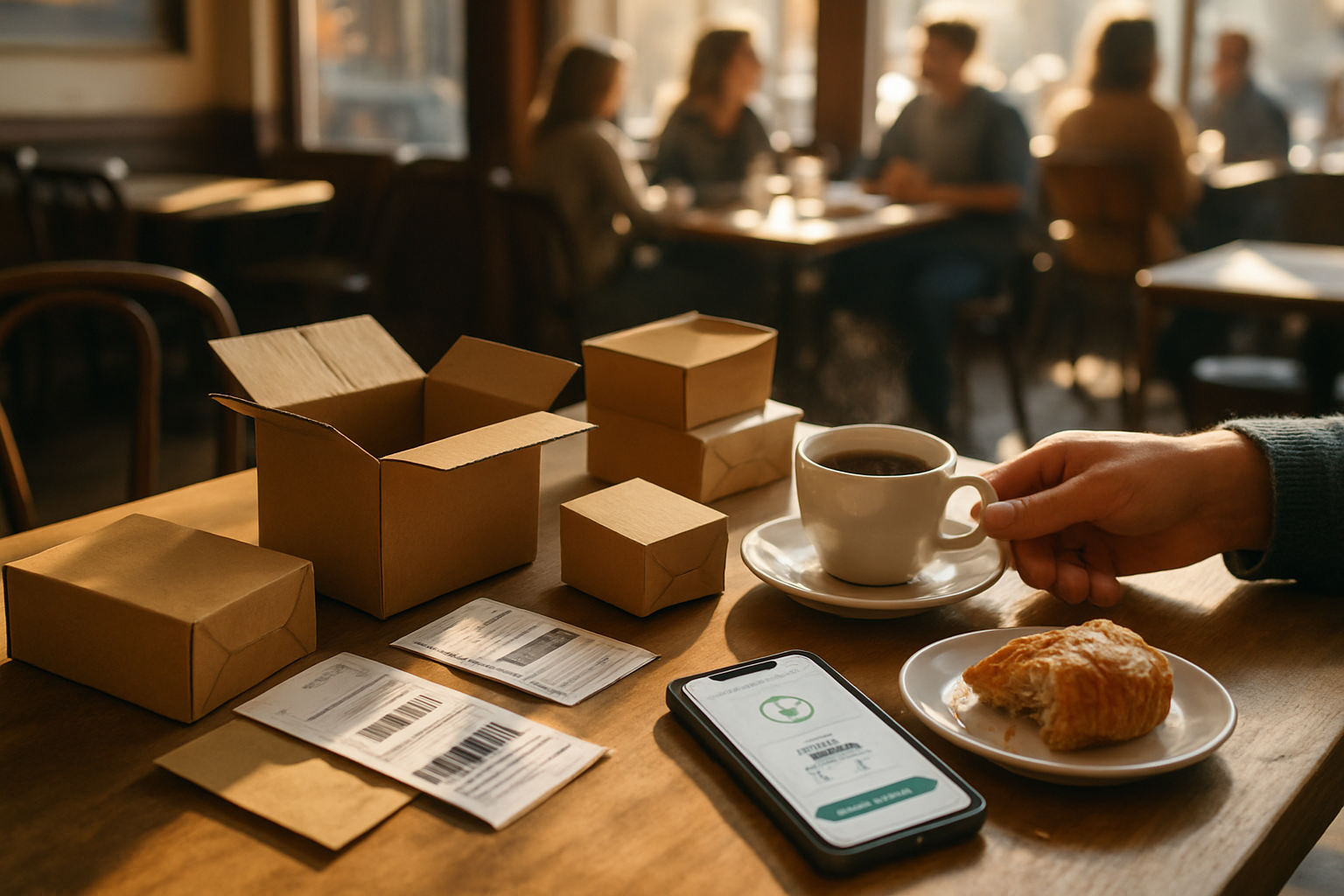
The first time I really paid attention to “free product” offers, I assumed there had to be a catch. Usually there is. A lot of deals called free are really “free after you spend $35,” “free sample with $8.99 shipping,” or “free item when you join a subscription you will forget to cancel.”
But there are legitimate ways to get products shipped to your home for $0 out of pocket. They are not unlimited, and they are not usually full boxes of expensive stuff. Still, if you stack the good options, you can get samples, household items, books, baby products, pet products, beauty items, and birthday gifts without paying shipping or buying something else first.
Look, the secret is not chasing every offer you see on social media. The secret is knowing which kinds of free offers are real, reading the fine print, and moving quickly when a trustworthy company opens a sample campaign.
First, define what “without spending a dime” really means
I use a pretty strict rule: if I have to enter a credit card, pay shipping, buy another item, pay a membership fee, or mail in a rebate, it is not truly free. It might still be a good bargain, but it does not belong in the “$0 delivered” category.
A real free-delivered offer should have all of these:
- The product price is $0.
- Shipping is $0.
- No purchase is required.
- No trial enrollment is required.
- You are not expected to send money later to keep the item.
That sounds obvious, but companies get creative with their wording. “Free starter kit” is often the worst offender. The kit might be free, but the shipping may be $7.95, or it may start a monthly shipment plan. I skip those unless I was already planning to buy the product.
The better offers tend to come from brand sampling programs, government programs, product testing panels, libraries, nonprofits, and birthday programs that mail a gift or coupon.
Use legitimate product testing panels
Product testing is one of the more reliable ways to receive full-size products at home. You generally fill out a profile, answer surveys, and wait for invitations that match your household. Companies want feedback before or during a product launch, so they send items to people who fit a specific demographic.
You will not qualify for everything. That is normal. A household with toddlers may receive more invitations for diapers, snacks, cleaners, and kid items. Someone who wears makeup regularly may see beauty studies. Pet owners can be a strong match for pet food and grooming products.
Home Tester Club
Home Tester Club is free to join and is one of the better-known consumer product testing communities. Members complete a profile, apply for tests, receive selected products by mail, then leave an honest review. Products vary by campaign, but can include food, laundry supplies, personal care, skincare, pet items, and household goods.
The key is to complete your profile honestly and keep it current. If you say you own a dog when you do not, you might get a dog-food survey, but you are also creating bad data for the brand. That can hurt your chances of getting future tests.
Influenster
Influenster has long been associated with product campaigns, sometimes called VoxBoxes. Selection is not guaranteed, and the available campaigns change constantly. The app asks for profile details, interests, social information in some cases, and feedback after you receive an item.
What I like about this type of program is that the products can be full size. What I do not like is that people sometimes treat it like a guaranteed free-store pipeline. It is not. Think of it as a free application pool. Keep your profile complete, respond promptly, and do the required review if you are selected.
BzzAgent
BzzAgent is another established word-of-mouth product testing community. Members complete surveys and may be matched with campaigns. The campaign can include a product shipped to your home, along with instructions for trying it and sharing feedback.
Do not join just to post glowing reviews. Honest feedback is the job. If a shampoo did not work for your hair or a snack was not something your family liked, say so respectfully. Brands are looking for useful information, not fake praise.
Sign up for samples directly from brands
Direct brand samples are less predictable, but they are absolutely worth watching. Food companies, beauty brands, hygiene brands, pet brands, and home-care companies sometimes release limited sample offers for new products or promotions.
The catch is supply. A brand may have 5,000 samples, and a popular deal page can send that many people in minutes. If you see a legitimate offer, do not overthink it. Read the terms, fill out the form, and take a screenshot of the confirmation page if one appears.
Here is how I separate a good sample offer from a junk offer:
- The offer is posted on the brand’s own website, verified social account, or established sampling platform.
- The form clearly says the sample and shipping are free.
- There is a privacy policy and a real company contact page.
- The form does not demand a credit card for a tiny “verification” charge.
- The page does not force you through a pile of unrelated survey offers before you can claim anything.
A lot of “free sample” sites are really lead-generation sites. They collect your name, email, phone number, age range, and shopping habits, then push offers from third parties. I am not saying every one is a scam. I am saying the product is often not worth giving away that much personal information.
Ask brands, but do it politely
This is an old-school method, and it still works sometimes. If there is a product you genuinely use or want to try, send the company a short message through its customer service page. Mention that you are interested in trying it, ask whether sample sizes or coupons are available, and include your mailing address only if they ask for it.
Do not write a dramatic story or demand free items. A simple note is enough. Some companies will send a coupon, some will send a sample, and plenty will say no. That is fine. You are spending a few minutes, not money.
I think this works best with smaller brands, regional food companies, niche skincare companies, and makers of products where a sample actually makes sense. It is less likely to work with giant national brands that have rigid customer-service policies.
Get free books and educational materials by mail
Free products do not have to mean shampoo packets. Books are one of the best categories because they are useful, easy to pass along, and can save real money for families.
Dolly Parton’s Imagination Library
If your area participates, Dolly Parton’s Imagination Library mails one free, age-appropriate book each month to enrolled children from birth through age 5. Availability depends on local program coverage, so not every ZIP code is eligible. But if yours is, it is one of the best truly free mail programs around.
There is no shipping charge, and parents do not need to buy anything. The books arrive at home, which matters if getting to the library is hard with little kids, work schedules, or limited transportation.
Library and literacy programs
Public libraries sometimes run summer reading programs, early literacy kits, take-home craft kits, and book giveaways. Some require pickup, but some programs mail materials to registered patrons, especially for homebound residents or early-childhood initiatives.
Check your library’s events page and newsletter. This is not glamorous freebie hunting, but it can be better than a one-ounce skincare sample. A free book your kid actually reads is a real win.
Use birthday programs that mail something useful
Birthday offers are usually associated with restaurant food, but there are also birthday programs that send gifts, coupons, samples, or store credit by email or mail. The best ones are those you can use without adding money of your own.
If you want a place to start, this list of birthday gifts that arrive by mail focuses on offers that can show up at your home. Terms change, so always check the current signup rules and whether an order minimum applies.
Some birthday deals come as coupon codes rather than a physical box at the door. That can still be useful if the code covers both the item and shipping. If it only covers the item, leave it alone unless you were already ordering something.
Beauty birthday programs are popular, but not all of them are free delivered. For example, a Sephora birthday gift is generally tied to the Beauty Insider program and is commonly redeemed in store or with an online purchase, depending on the current rules. That can be a nice bonus, but it does not meet the strict $0-delivered standard if you must place an order. Check the current details before planning around it. You can compare options on this page for beauty and makeup birthday freebies.
Restaurant birthday deals can still free up money in your grocery budget, even if they do not ship products. A Starbucks birthday reward or IHOP birthday offer can be worthwhile if you already have the rewards account and can redeem locally. For people searching birthday freebies Toronto, it is especially smart to check location availability because Canadian and U.S. promotions are not always identical.
For the broader picture, keep a bookmark to the master list of birthday freebies. I like lists that state whether an offer requires a purchase, an app, advance signup, or a local location. Those details make the difference between a real freebie and a wasted trip.
Do not ignore pet product opportunities
Pet brands run sample campaigns more often than people realize. Dry food, treats, dental chews, flea and tick products, supplements, grooming supplies, and toys all show up from time to time through direct brand promotions and tester panels.
Only request products your pet can safely use. If your dog has food allergies, it is not worth grabbing a random sample just because it is free. And if your cat is picky, a sample pouch may still be useful, but do not count on it replacing your normal food.
Pet birthday deals are also a fun category, especially for families already shopping for pet supplies. This roundup of birthday freebies for dogs and pets can help you spot offers that fit your animal. Just read the redemption terms. Some gifts are mailed, some are pickup-only, and some require a purchase.
Watch for free product offers in retailer loyalty apps
Retail apps are not always “delivered” offers, so I would not make this your main strategy for mail freebies. But some retailers and grocery chains occasionally issue fully free digital coupons for an item, and certain delivery memberships or local promotions may cover delivery.
The problem is that free grocery delivery almost always has a threshold or membership requirement. That means it is usually not zero out of pocket unless you already have the membership for reasons unrelated to the deal.
My opinion: do not pay $99 a year for a delivery subscription to chase a free $4 yogurt. That is backwards. Use app offers when they fit your normal errands, not when they create a new expense.
For birthday offers specifically, apps can be worth installing ahead of time. Many rewards programs require enrollment before your birthday month, sometimes 7 days to 30 days in advance. This guide to apps that give birthday freebies is useful because it puts that requirement front and center.
Try free-cycle and neighborhood groups for actual products
This is not a brand freebie in the traditional sense, but it is one of the most practical ways to get products delivered or dropped off without spending money. Buy Nothing groups, Freecycle communities, neighborhood Facebook groups, and local parent groups often have unopened toiletries, pantry items, baby supplies, craft materials, small appliances, and kids’ items available for free.
Some people will only offer porch pickup. Others are happy to drop things off when they are already nearby. If your goal is specifically delivery, be respectful about asking. Do not expect strangers to drive across town with a free item. But if someone offers delivery or you are in a mutual-aid group that coordinates it, this can be incredibly helpful.
The best things to request are items people commonly overbuy or receive as gifts:
- Newborn diapers in unopened packs.
- Unused baby formula samples, only if sealed and unexpired.
- Shampoo, soap, deodorant, and skincare extras.
- School supplies and art materials.
- Children’s books and puzzles.
- Pet supplies that do not suit someone else’s animal.
- Unopened pantry staples with clear expiration dates.
Be cautious with medicine, opened cosmetics, recalled products, and anything that has been stored badly. Free is not a bargain if it is unsafe.
Set up a separate email address for freebie signups
This is one of those boring tips that saves a lot of frustration. Make a free email address just for samples, product testing, coupons, and birthday clubs. Use a real inbox you check regularly, not a throwaway account you will forget.
Why? Because legitimate companies send confirmation emails. Some require you to click a link within 24 or 48 hours. Tester panels send qualification surveys by email. Birthday rewards arrive there too. If all of that gets buried under school messages, receipts, and work emails, you will miss the good stuff.
Use folders or labels for:
- Product testing invitations.
- Samples requested.
- Birthday rewards.
- Shipping confirmations.
- Offers that require a follow-up review.
This also makes it easier to see whether a company actually delivered. If you requested something 8 weeks ago and never got a confirmation or shipping notice, do not keep giving that company more information.
Keep a simple tracking sheet
You do not need a complicated spreadsheet. Mine would have only a few columns: date requested, company, product, expected arrival timeframe, whether a review is required, and whether it arrived.
Most real samples take time. Two to eight weeks is common, though some campaigns take longer. If a brand says “allow 6 to 10 weeks,” believe them. Freebies are usually packed and mailed in batches, not like regular retail orders.
Tracking also keeps you from signing up for the same offer three times under slightly different forms. Some companies will simply disqualify duplicates. Others may send nothing at all. One clean request per household is the safest approach.
Learn the red flags before you hand over your address
Your mailing address is valuable information. It is normal for a brand to need it to ship a product, but that does not mean every form deserves it.
Close the tab if you see any of these:
- A request for credit card information for a “free” offer.
- A countdown clock that resets every time you reload the page.
- Claims that you have won something before you entered a giveaway.
- Mandatory offers from unrelated companies.
- A promise of a high-value item with no rules, terms, or company identity.
- A shipping fee added at the final screen after the offer said free.
- A requirement to download unknown software or browser extensions.
Also be skeptical of offers for expensive electronics, gift cards, and large beauty bundles. Those can be real giveaway prizes, but they are rarely guaranteed samples. A legitimate sweepstakes will have official rules, eligibility details, start and end dates, and a statement that no purchase is necessary.
Free sample hunting should save money, not create spam, surprise charges, or identity-theft headaches.
What is actually worth your time?
My honest ranking goes like this: established tester panels first, free children’s book programs second, direct offers from brands you already know third, then birthday gifts that can be redeemed without a purchase. Neighborhood free groups are right up there too, especially for families with kids or pets.
What is overrated? Random “freebie” pages that promise dozens of new samples every day. Some do link to legitimate offers, but the signal-to-noise ratio can be terrible. You can spend an hour filling out forms and end up with a flood of marketing emails plus nothing in your mailbox.
The better approach is slower. Join two or three reputable testing communities. Follow a short list of brands you genuinely use. Check your library and local community resources. Sign up early for birthday programs. Then let the offers come to you.
Birthday Hunter is a free iOS app that helps you find birthday freebies and deals, which is handy when you do not want to keep a pile of signup deadlines in your head. I would still read every offer’s current terms before counting on it, because birthday programs change more than people expect.
A realistic monthly routine
If you want this to stay manageable, give it 15 to 20 minutes once a week. That is enough.
- Check email for product-testing surveys and shipping confirmations.
- Apply only to tests that fit your household.
- Look at one or two trusted brands for active sample promotions.
- Review your birthday club signups a month or two before your birthday.
- Check local free groups for things you actually need.
- Mark any required product review so you do not miss it.
You will not receive a big box every week. Some weeks, nothing happens. Then you might get a full-size cleaning product, pet treat campaign, children’s book, or skincare item in the same month. That is the realistic rhythm.
The savings add up most when the free products replace things you would have bought anyway. A free snack is nice. A free box of diapers, a children’s book, a household cleaner, or a usable birthday coupon is better because it takes a real item off your shopping list.
FAQ
Can I get free samples delivered to my house without paying shipping?
Yes, but stick to offers that clearly state both the sample and shipping are free. Brand sample campaigns, product testing panels, children’s book programs, and some birthday mailers are the most reliable places to look. Avoid offers that ask for a credit card or add a handling fee at checkout.
Are free product testing programs legitimate?
Many are legitimate, including established communities such as Home Tester Club, Influenster, and BzzAgent. You are not guaranteed to be selected, and you may need to complete a survey or review after receiving a product. Never pay to join a product testing panel.
How long do free samples take to arrive?
It depends on the offer. Many samples take about two to eight weeks, while product testing campaigns may have their own schedule. Save the confirmation email and check the stated timeframe before assuming an offer did not come through.
Do birthday freebies get delivered for free?
Some do, but many birthday offers are in-store rewards or online coupons that require a purchase. Check the offer terms carefully. For ideas, review lists of places that give free stuff on your birthday, then confirm whether the specific reward includes free shipping and no minimum order.
What should I never do to get free products?
Do not use fake information, create duplicate accounts, pay “shipping” for a supposedly free item, sign up for subscriptions you do not want, or give credit card details to unknown sites. A legitimate freebie is never worth a surprise monthly charge or a compromised account.
Brands mentioned in this post


Related Posts
Related Guides
The Ultimate Guide to Birthday Freebies: 100+ Places to Celebrate for Free
Discover over 100 restaurants, retailers, and entertainment venues offering free items, meals, and gifts on your birthday. Our comprehensive guide helps you maximize your birthday celebrations without spending a dime.
Birthday Freebies Without Signup: What You Can Claim & What to Check
Find birthday perks without loyalty signup, compare purchase requirements, and build a shortlist. No Birthday Hunter account needed to browse.
30 Apps That Reward You On Your Birthday in 2026
Discover the 30 best apps that give you free food, drinks, beauty products, and exclusive perks on your birthday. Our complete 2026 guide covers signup requirements, what you get, and how to claim every reward.