The Complete Guide to Freebies, Samples, and Rewards Apps
A free coffee is nice.
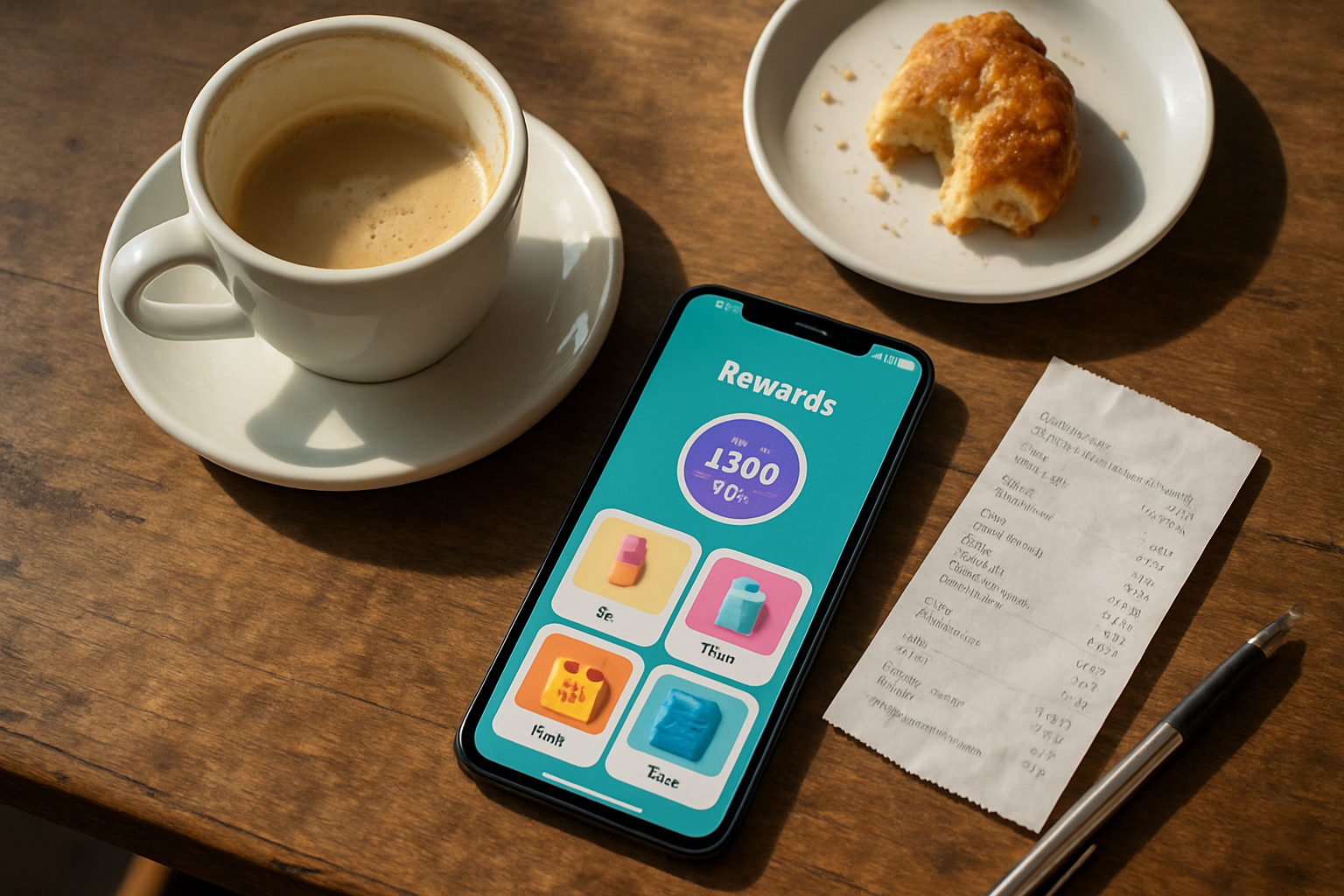
A free coffee is nice. A free coffee you were already going to buy is better. The real value in freebies, samples, and rewards apps is not chasing every tiny offer across town. It is building a small system that lowers the cost of things you already buy, from lunch and groceries to skincare and household basics.
That distinction matters. A coupon that saves $2 on an unplanned $18 purchase is not really a win. A rewards offer that turns your regular $6 coffee run into a free drink every few visits can be. The best deal hunters are not necessarily clipping the most coupons. They are organized enough to spot useful offers before checkout and disciplined enough to ignore the rest.
This guide covers the apps, websites, habits, and reward programs that are genuinely useful in 2026, plus the ones that can turn into a time-consuming distraction.
Start with a simple rule: save on your normal spending
Before downloading a dozen apps, make a quick list of what you already spend money on in a typical month. Keep it practical:
- Groceries and household supplies
- Coffee, quick-service meals, and takeout
- Gas and convenience-store purchases
- Beauty, pharmacy, and personal-care products
- Clothes, pet supplies, and online shopping
- Movies, activities, and occasional restaurant meals
Then choose rewards programs in those categories. This is where savings compound without requiring a lifestyle change. If your household spends $600 a month at one grocery chain, a few targeted digital coupons and cash-back rebates can realistically save $15 to $40 in a good month. Not every month will be dramatic, but over a year that can become several hundred dollars.
My opinion: three to six well-used programs beat 25 forgotten apps. Your phone does not need another folder full of loyalty accounts you only remember when the cashier asks whether you are a member.
Rewards apps that are usually worth having
Restaurant and coffee apps: use them where you are already a regular
Restaurant rewards are often the easiest wins because food purchases repeat. Starbucks Rewards, McDonald’s Rewards, Chick-fil-A One, Panera Bread’s MyPanera program, Dunkin’ Rewards, Chipotle Rewards, and Taco Bell Rewards all use some combination of points, personalized offers, or periodic freebies.
The details vary by location and change over time, so treat the app as the source of truth. Still, the pattern is consistent: members can receive app-only pricing, bonus-point promotions, free-item offers, and rewards after a certain amount of spending. McDonald’s, for example, frequently features rotating app deals that can cut the price of a meal more meaningfully than points alone.
There is a catch. Restaurant apps can make it easier to spend more often. If a reward gets you to buy a second sandwich, extra dessert, or another coffee you did not want, it is not savings. Use the app for a planned purchase, redeem a reward when it is convenient, and skip the “limited-time” bait when it does not fit your budget.
A realistic example: someone who buys lunch at a fast-casual chain twice a month might spend $20 to $30 per visit. If app offers save an average of $3 per order and points produce a free entrée or drink every few months, annual savings can land around $80 to $150. Useful, but not life-changing. It becomes worthwhile because it takes almost no additional effort once the account is set up.
Grocery cash-back apps: the highest potential, with some homework
Ibotta remains one of the better-known grocery cash-back apps. You browse offers, add them to your account, shop at eligible stores, and submit a receipt or link a participating loyalty account. Fetch is another popular option, generally rewarding users for scanning receipts and completing offers. Shopmium and Checkout 51 can also be useful depending on your stores and the available rebates.
These apps work best for brand-flexible shoppers. If you already need laundry detergent, cereal, yogurt, paper towels, or frozen meals, check offers before shopping. A $1 or $2 rebate on something already on your list is real savings. Switching from a $3.99 store-brand item to a $6.49 name-brand item just to get $1 back is usually not.
The most effective tactic is stacking:
- Buy an item only when it is on sale at the store.
- Apply a store digital coupon if one is available.
- Check Ibotta, Fetch, Shopmium, or Checkout 51 for a qualifying rebate.
- Use a credit card that earns rewards, but only if you pay the balance in full.
Here is a reasonable stack: a $5.99 household item goes on sale for $4.49, you apply a $1 digital coupon, and an app gives $1 cash back. Your final cost is $2.49 before tax. That is excellent when the product was already needed. It is not a reason to buy six extras because an app says “bonus offer.”
Receipt apps can save a focused shopper $10 to $30 a month, sometimes more during strong promotions. The tradeoff is time. Spend 10 minutes planning before a grocery trip and two minutes scanning receipts afterward. Spend an hour hunting obscure offers, and the return usually gets worse fast.
Pharmacy and beauty rewards: great for replenishing essentials
CVS ExtraCare and Walgreens myWalgreens are worth joining if you shop there for prescriptions, toiletries, cosmetics, snacks, or seasonal basics. CVS in particular is known for digital coupons and ExtraBucks-style rewards, though the offers can be highly personalized and redemption rules matter.
Ulta Beauty Rewards can be solid for people who already buy makeup, hair care, fragrance, and salon products there. Sephora’s Beauty Insider program is more about perks and samples than deep discounts, but the Sephora birthday gift and other beauty birthday freebies can be a pleasant bonus for members who already shop with the retailer.
The key is to buy boring, repeatable necessities through these programs. Shampoo, deodorant, toothpaste, sunscreen, contact solution, and basic skincare are easier to justify than impulse cosmetics. A shopper who times a quarterly personal-care restock around a coupon and points offer can often save $10 to $25 per trip.
Do not be fooled by the percentage-off game. “Spend $40, get $10 back” is only a good deal if you needed close to $40 of products anyway. Buying an extra $15 item to unlock a $10 reward means you spent $15 to save $10.
Free samples: useful when they replace a purchase, not when they create clutter
Free samples have a bad reputation because there are plenty of sketchy sites that promise expensive products, then funnel people into surveys, trial subscriptions, or mailing-list spam. That criticism is fair. A legitimate sample should not require you to hand over a credit card, pay “shipping” that exceeds the product’s value, or complete ten unrelated offers.
Better places to look include direct brand websites, major retailer sampling programs, and established sample platforms. PINCHme periodically offers free samples in exchange for feedback. SampleSource has distributed household and beauty samples when campaigns are available. Target Circle, Walmart’s site, Sephora, Ulta, and major consumer brands sometimes offer sample events, trial-size offers, or product testing opportunities.
Samples are especially worthwhile for products you are hesitant to buy full size:
- Facial moisturizer, foundation, and fragrance
- Protein powder or specialty snacks
- Pet food and treats for a new brand trial
- Cleaning products with a strong scent
- Baby products and personal-care items
A $3 packet of sample shampoo does not sound exciting. But trying a sample before buying a $35 bottle of a product that irritates your scalp is a legitimate $35 mistake avoided. That is the real financial value of samples.
Be cautious with “free trial” boxes. Many subscription services offer an introductory box for a few dollars or free with shipping, then auto-renew unless you cancel by a deadline. If you want the trial, set a calendar reminder immediately after placing the order. If cancellation requires calling, emailing, or jumping through hoops, that is a sign the offer is more trouble than it is worth.
Coupon sites and browser tools: helpful, but do not let them choose your purchase
For online shopping, browser tools such as Honey, Capital One Shopping, Rakuten, and RetailMeNot can surface promo codes or cash-back opportunities. Rakuten is generally most useful when you are making a purchase anyway through a participating retailer and the cash-back rate is meaningful. Rates change often, so a 2 percent return is not worth rearranging your day, while 10 percent on a planned larger purchase can be.
Capital One Shopping can compare prices and test coupon codes at checkout. Honey can also automatically try codes, although no extension catches every valid promotion. I still recommend checking a retailer’s own email offer or loyalty dashboard first, because those targeted codes can be better.
If you prefer to search manually, keep a bookmark for store coupons and promo codes before you place an order. The best habit is simple: add what you need to the cart, pause for two minutes, search for a code, compare the final price, and then buy.
One caution: price comparison matters more than a coupon badge. A retailer can offer “20 percent off” while starting from a higher price than another store. Compare the final delivered price, including shipping, taxes, membership requirements, and return policy.
Discounted gift cards can turn routine spending into an automatic discount
Discounted gift cards are one of the less flashy ways to save, and one of my favorites when used carefully. Sites such as Raise, CardCash, and Gift Card Granny list discounted cards for restaurants, retailers, and entertainment brands. Availability changes constantly, and the biggest discounts often appear for brands people receive as unwanted gifts.
If you are about to spend $100 at a retailer and can buy a verified $100 gift card for $92, that is an immediate 8 percent discount. Pair it with a sale or store coupon and the savings get better. For current options and buying considerations, it helps to check a resource on discounted gift cards before committing.
There are a few rules:
- Buy cards only from established resale platforms with buyer protection.
- Purchase close to when you will use them, especially for smaller retailers.
- Check whether the card is digital, physical, partially used, or subject to a delivery delay.
- Do not lock up money in gift cards for stores you may not visit.
- Never buy from a stranger on social media or a local marketplace listing.
Discounted gift cards are usually best for predictable spending, such as a familiar grocery store, a restaurant you already visit, or a planned gift. They are not ideal for emergency savings or for a brand you only think you might use someday.
Build a low-maintenance deal routine
The people who save consistently tend to use a routine rather than chasing deals all day. Here is one that takes about 15 minutes a week once it becomes a habit.
Before shopping
- Make a list first. Deals come after the list, not before it.
- Check your grocery store’s digital coupons for items you already need.
- Open one or two cash-back apps and look for matches.
- For online orders, compare prices at two or three trusted retailers.
- Check whether a discounted gift card creates a real additional discount.
At checkout
- Enter your loyalty phone number or scan the app.
- Use a coupon only if it does not push you into buying more.
- Ask whether points will expire soon before placing a purchase.
- For restaurants, look for current app offers before ordering, not afterward.
After shopping
- Scan receipts promptly for cash-back offers.
- Put earned rewards in a note or digital wallet so they do not disappear.
- Unsubscribe from promotional emails that make you spend, while keeping a few programs you actually use.
- Review unused apps every few months and delete the ones providing no value.
That last point is underrated. Deals should reduce decision fatigue, not add to it.
Where Birthday Hunter fits into a year-round savings plan
Birthday Hunter is a free app and website where you can find deals, freebies, and rewards year-round. It is useful as a starting point when you want to see which brands offer ongoing perks, app rewards, seasonal promotions, and birthday rewards without searching each company one at a time.
Even if you are focused on everyday savings, birthday offers are still part of the broader rewards landscape. A strong birthday freebie can be a free meal, dessert, beauty item, or store credit, and it can make sense to plan around it if you already belong to the program. The site’s apps that give birthday freebies guide is helpful for identifying programs that require an app or rewards account before an offer appears.
Just do not sign up for everything. Some birthday freebies require advance enrollment, a prior purchase, or a specific redemption window. Others are easy wins. If you want a broad reference point, the master list of birthday freebies makes it easier to separate a genuinely useful offer from something that requires too much spending to unlock.
Location can matter, too. Availability and terms vary by country, province, state, franchise owner, and individual store. People searching for birthday freebies Toronto, for example, should verify that a listed offer is valid at their local Canadian location before making a special trip.
What is usually not worth the effort
Not every freebie deserves your time. Here are the deal habits I would skip or heavily limit.
Driving out of your way for a small reward
A free $3 drink is not free if it adds a 20-minute detour, burns gas, and tempts you to buy a $9 snack. Bundle redemptions with errands you already have. This is common sense, but it is where many “savings” plans quietly fail.
Buying things to earn points faster
Points are a rebate, not income. If you spend $50 to earn a reward worth $5, you did not make $5. You spent $45. Loyalty programs are designed to increase purchase frequency, so use them with your own rules.
Survey sites promising high earnings
Some survey platforms pay, but hourly value can be painfully low and disqualifications are common. If you enjoy surveys during downtime, fine. If your goal is practical savings, a grocery rebate or a 10 percent cash-back portal on a planned purchase is usually a better use of five minutes.
Apps that require constant check-ins for tiny rewards
Gamified reward apps can be entertaining, but many require daily spins, video ads, tasks, and repeated logins for a few cents’ worth of points. I would rather save $12 once by using the right coupon than spend 30 minutes over a month earning the same amount through ads.
“Free” offers with vague subscription terms
Read the renewal date, cancellation process, shipping charge, and return policy. A trial that takes six clicks to join and a phone call to leave is not a consumer-friendly freebie.
Use rewards without letting them run your budget
The psychology behind rewards programs is powerful. Points feel like progress. A countdown to a free item feels like you are close to winning. Limited-time offers create urgency. None of that is inherently bad, but it works best when you decide your spending before the app starts nudging you.
Set a few personal rules:
- Do not spend solely to reach a reward threshold.
- Redeem points before they expire, but do not make a special purchase just to use them.
- Keep one primary program per category when possible.
- Use cash-back as a bonus, not an excuse to upgrade.
- Track savings once a month, not obsessively after every transaction.
One anonymized client, a local family-oriented retail business, learned this from the other side of the counter. Their first loyalty offer was a broad “buy more, save more” promotion. Customers spent a little more, but margins got squeezed and staff had trouble explaining the rules. The better version was simpler: clear points, a modest reward, and occasional offers tied to products customers already bought. Customers understood it, used it, and came back. The lesson applies to shoppers too. Simple programs are more likely to deliver value because you will actually use them.
FAQ
What is the best app for finding freebies?
There is no single best app for every category. Restaurant loyalty apps are best for food you buy regularly, Ibotta and similar apps can be strong for groceries, and retailer apps are useful for targeted coupons. For a broad mix of deals, freebies, and rewards programs, Birthday Hunter can help you find options without checking dozens of separate brand sites.
Are free samples really free?
Legitimate samples should not require a credit card or a costly trial commitment. You may provide an email address, mailing address, or feedback after trying the product. Be wary of offers that require payment for “shipping,” extensive surveys, or signing up for multiple unrelated services.
How much can you realistically save with rewards apps?
For most households, a realistic range is $20 to $75 a month when rewards apps are paired with planned spending, grocery coupons, and occasional cash-back offers. Savings can be higher for large families or frequent shoppers, but only if purchases stay within the normal budget.
Should I join every restaurant loyalty program?
No. Join programs at restaurants and coffee shops you already visit at least a few times a year. Too many accounts lead to forgotten points, excessive emails, and unnecessary purchases. A small group of frequently used programs is more valuable than a huge collection of apps.
Can I combine coupons, rewards points, and discounted gift cards?
Often, yes, but each retailer sets its own rules. A common stack is a sale price, a store coupon, rewards points, and payment with a discounted gift card. Check the app or cashier policy before relying on the combination, especially when rewards are attached to a minimum-spend requirement.
Brands mentioned in this post


Related Posts
Related Guides
New York Birthday Freebies 2026: 40 Free Meals + Deals from Manhattan to Buffalo
A 2026 guide to 40 free birthday meals, treats, and attraction deals across New York State. Covers NYC-born chains, Manhattan classics, Brooklyn and Queens favorites, upstate spots in Buffalo, Rochester, Syracuse, and Albany, plus NYC attractions and rewards apps.
Hotel and Travel Birthday Discounts 2026: 30 Programs for Free Stays, Upgrades, and Bonus Miles
Discover 30 hotel, airline, cruise, and car rental loyalty programs that recognize your birthday with bonus miles, free upgrades, onboard credit, welcome amenities, and discounted stays in 2026. A complete US traveler's guide to stacking birthday perks across the travel industry.
Las Vegas Birthday Freebies 2026: 30 Free Casino Perks, Free Drinks, and Strip Deals for 21+ Birthdays
The complete 21+ guide to free birthday perks in Las Vegas for 2026. We cover 30 real Strip casino rewards, Downtown player clubs, Vegas Strip restaurant birthday traditions, show discounts, and 21+ nightlife perks at Marquee, Omnia, XS, Tao, and Drai's.
30 Apps That Reward You On Your Birthday in 2026
Discover the 30 best apps that give you free food, drinks, beauty products, and exclusive perks on your birthday. Our complete 2026 guide covers signup requirements, what you get, and how to claim every reward.