Birthday Stacking Explained: How to Triple-Dip Gift Card Discounts, Sales, and Cashback
The first time I realized birthday savings could get a little ridiculous, it wasn’t because of a giant free dessert.
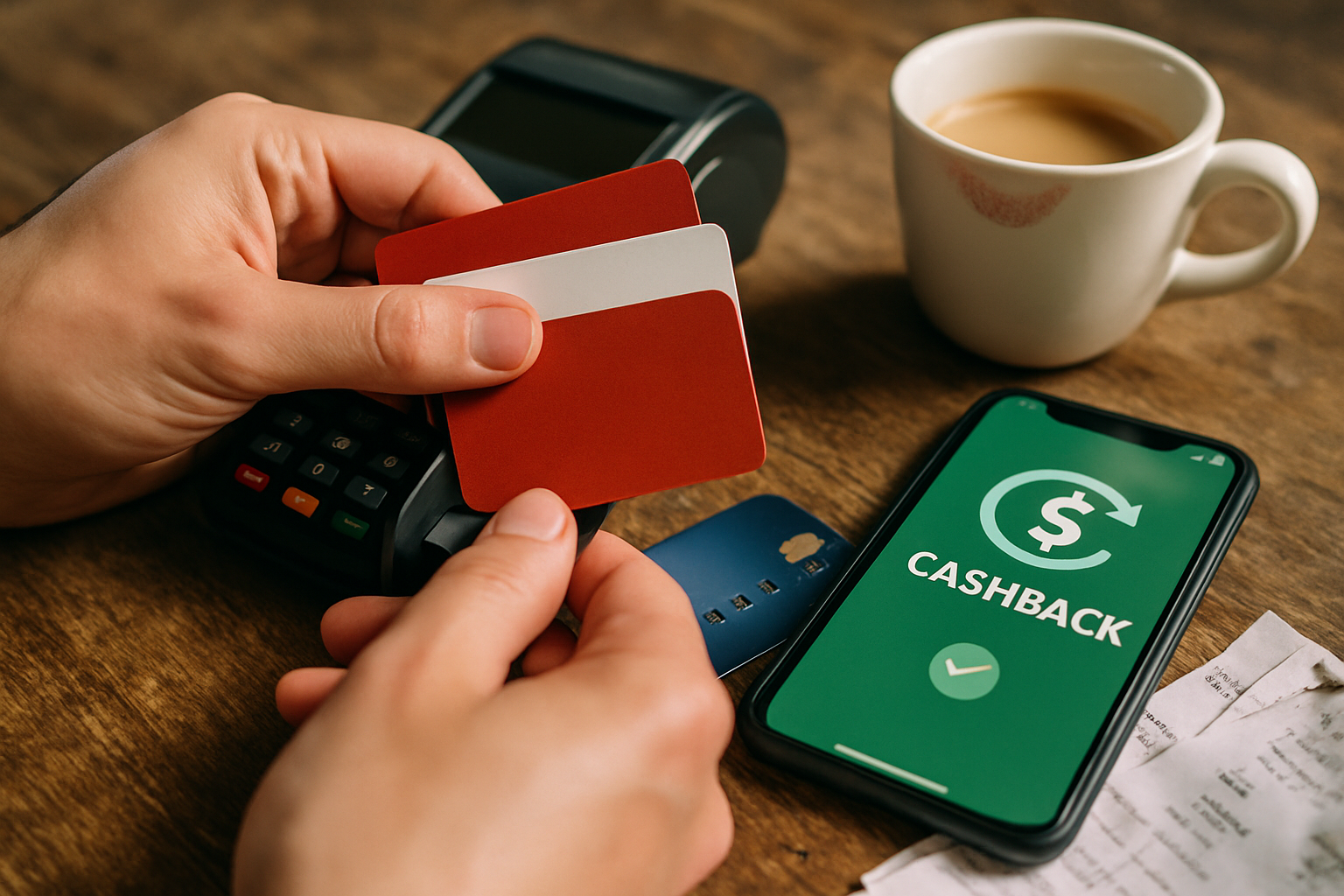
The first time I realized birthday savings could get a little ridiculous, it wasn’t because of a giant free dessert. It was because I looked at a $100 cart, a store sale, a discounted gift card, a cashback portal, and a birthday coupon and thought, wait, actually, why am I ever paying the sticker price here?
That’s birthday stacking. You’re not trying to force six random coupons onto one order until the cashier hates you. You’re layering discounts that come from different places: the store’s sale price, a gift card you bought below face value, a cashback rebate, and a birthday reward or coupon. When the terms cooperate, a $100 purchase can cost more like $60 to $75 out of pocket. Sometimes less. Sometimes the stack is absolutely not worth the tabs and math, honestly.
I started caring about this stuff because birthday freebies were my broke-college hobby, and it turns out the same energy works when you need actual things, not just a free cinnamon roll. If you’re building a birthday week plan, start with the master list of birthday freebies, then use this guide to make the purchases you were already going to make cheaper.
What “birthday stacking” actually means
A stack has separate layers. The key word is separate. A coupon and a promo code from the same retailer often cannot be combined. A sale price plus payment with a discounted gift card usually can. Cashback often tracks after the purchase, so it may stack too. A birthday reward can be the final little shove, assuming it does not say “cannot be combined with other offers” in tiny annoying text.
Here’s the basic version:
- Layer 1: Buy during a store sale, clearance event, or member-price promotion.
- Layer 2: Pay with a discounted gift card, ideally one bought from an authorized marketplace or directly from the retailer during a gift card promotion.
- Layer 3: Start through a cashback portal or activate a card-linked offer.
- Layer 4: Apply your birthday reward, birthday coupon, or birthday-month bonus if its terms allow it.
Not every order gets all four layers. The realistic win is usually three. Sale plus gift card plus cashback is the cleanest triple-dip because each piece happens in a different lane.
Also, I need to say this because “stacking” advice online gets weird fast: do not buy stuff you do not need just to feel like you won. A 30% discount on a $180 impulse cart is still you spending $126 on things that might live in a drawer. The deal did not magically become income.
The math on a real-world style stack
Let’s use a boring, useful example: you need $120 worth of clothes or beauty items, and the retailer is running 25% off eligible merchandise.
Your cart starts at $120. The sale cuts it to $90. You have a birthday coupon for $10 off a $50 purchase, so now it is $80 before tax. Earlier, you bought a $100 e-gift card at 10% off, meaning you paid $90 for $100 in store value. You use $80 of that gift card balance. Your effective cost for the $80 purchase is about $72 because the card was discounted. Then a cashback portal offers 4% on the purchase amount, and it tracks around $3.20.
So you got $120 of merchandise for roughly $68.80 plus whatever tax applies. That is a 42% effective savings before counting any points you earn. Not bad for five minutes of planning.
There are a couple of catches:
- Cashback may calculate on the subtotal after discounts, not the original price.
- Some portals exclude gift cards, loyalty redemptions, specific brands, or coupon codes that are not listed on their site.
- A birthday coupon may work on full-price items only, or exclude prestige beauty, clearance, electronics, and half the store. Read it before you build your cart around it.
- Tax is usually based on the discounted selling price, not what you personally paid for the gift card. Your state may vary.
Still, this is why I save gift-card discounts for purchases with a plan. A 5% off card sounds kind of meh on its own. Add it to a 20% sale and a birthday perk, and suddenly it is real money.
Start with the birthday reward, not the gift card
This feels backward because the discounted gift card seems like the exciting part, but the birthday offer is usually the most fragile layer. It has a short expiration date, product exclusions, a minimum spend, or a “one use per member” condition. Figure out what you can actually redeem first, then decide whether buying a gift card makes sense.
For example, some beauty programs send a free birthday gift with no purchase required, while others make you choose a gift with an order or in-store visit. Some restaurant rewards are a free item, not a dollar-off coupon, so buying a gift card beforehand does nothing for that redemption.
If your goal is food, check the current list of free birthday food offers before you spend money at a restaurant. A free entrée or appetizer is better than a tiny percentage-off deal, and restaurants are also where stacking gets messy. You might be able to use a gift card and earn card-linked cashback, but the birthday reward may require a loyalty account barcode and may not combine with a separate emailed coupon.
My personal rule: if the birthday offer is simply “free item with no purchase,” take the free item and do not invent a shopping mission around it. If it is “$15 off $50” at a store where you already need $50 worth of stuff, now we are talking.
The birthday reward terms that matter most
Open the offer and look for these words before you spend a dollar:
- Valid dates: Is it your actual birthday only, your birthday month, or a seven-day window? Birthday month offers give you room to wait for a sale.
- Minimum purchase: “$10 off $50” is very different from a $10 credit with no minimum.
- Exclusions: Gift cards, sale items, certain brands, alcohol, shipping, and clearance are common exclusions.
- One-time use: Do not apply it to a tiny test order unless you are sure.
- Online versus in-store: Some rewards are app-only. Some show a barcode at checkout. Some are weirdly location-dependent.
- Combination language: “Cannot be combined with other offers” is the sentence that kills the fun. A regular sale price may still work, but another coupon probably will not.
A lot of apps that give birthday freebies also make the timing clearer because the offer appears right in your account. That is way better than hunting through 400 promotional emails on your birthday morning, which is a deeply cursed task.
The gift card layer: where people accidentally lose money
Discounted gift cards are useful, but they are not automatically a deal. If you buy a $100 gift card for $90 and then spend $100 on random stuff because “I have credit,” you saved 10% and spent 100%.
Use discounted cards for merchants you already planned to buy from, and buy them close to checkout. This is especially true for resale marketplaces. Inventory changes, discounts vary, and gift cards have risk if you buy from sketchy sources. Stick to reputable sellers, review the card balance immediately, and keep the purchase confirmation until the balance is spent.
The discounted gift cards guide is useful for spotting the normal ways people shave a few percent off without wandering into “someone on social media is selling a $200 card for $80” territory. That kind of deal is not a deal. That is a future headache.
There are really three gift card plays:
1. Buy a discounted card for a planned purchase
This is the simplest. You know you are spending around $75 at a store this week. A reputable marketplace has a $100 e-gift card at 8% off. Buy it, confirm the balance, use it immediately. Your savings are locked in.
The downside is leftover value. If you buy a $100 card for a $62 cart, you have $38 trapped at that retailer. That is fine if it is Target or a grocery store you use constantly. It is less fine if it is a specialty candle shop where you now feel emotionally obligated to buy a $38 candle later.
2. Use a retailer’s own gift card promotion
Sometimes stores offer a bonus card when you buy a certain amount in gift cards, especially around major shopping seasons. Those promotions can be great, but the bonus is often promotional credit with a short expiration and exclusions. Read the fine print. If you were already buying gifts or paying for a predictable household purchase, it can work beautifully. If you are purchasing gift cards just to chase a bonus, slow down.
3. Stack a credit card offer with the gift card purchase
Card-linked offers from issuers can occasionally be useful, especially when they say something like “spend $50, get $10 back” at a named merchant. Whether buying gift cards qualifies depends entirely on the offer terms and how the transaction is coded. Do not assume. Some explicitly exclude gift cards, and some merchants process them in ways that do not trigger the rebate.
I like this route only when I would be buying from that merchant anyway and the offer is clear. Gift cards are already the payment layer. Do not turn the payment layer into a seven-step science project unless the savings are actually substantial.
Cashback is the last layer, because tracking can be fussy
Cashback portals are basically referral programs that share part of their commission with you. You click from the portal to the retailer, shop normally, and if the purchase tracks, you get a percentage back later. The “later” part matters. Cashback is not cash in your pocket on checkout day. It can take weeks or longer to become payable, and canceled or returned orders will usually reverse it.
For birthday stacking, think of cashback as a bonus, not the foundation of your plan.
Before you start a shopping session, compare portal rates if you use more than one. Rates move around. A 2% rate is not worth obsessing over, but 10% versus 2% on a $150 order absolutely is. Then read the merchant exclusions. Often, cashback is available on apparel but not gift cards, services, subscriptions, certain premium brands, or orders using an unauthorized code.
And yes, an “unauthorized code” can mean a coupon code you found on some random coupon site. You save 15% at checkout, then lose 10% cashback because the portal decides the code was not eligible. Usually the coupon is still the better deal, but do the math first.
If you need a code, use a source you trust and check the retailer’s own email or app offers. There are also plenty of store coupons and promo codes worth checking before you open a portal tab. Just do not pile on codes hoping one magically stacks. Most sites let you apply one promotional code at a time. That is not you failing at couponing, that is just how their checkout works.
My cashback tracking checklist
- Log into the cashback portal first, then click through to the retailer from that session.
- Use one browser tab for the purchase. Opening ten tabs, price-comparing, then returning can break tracking.
- Temporarily turn off ad blockers or extensions that might interfere with the referral link.
- Do not leave the retailer site to hunt for extra coupons after clicking through, unless you are okay with possibly losing cashback.
- Screenshot the portal rate and the order confirmation, especially for a bigger purchase.
- Watch your account after the order ships. If it does not track, use the portal’s missing-cashback process with your order number.
This is not glamorous. Neither is checking your tire pressure, but both save you money.
A few stacks that are actually worth trying
Here are the scenarios I think make the most sense in real life. Not fantasy coupon stacks. Not “get 97% off if the moon is full.” Normal purchases with a birthday angle.
Beauty restock stack
Beauty is one of the best categories because birthday programs are common and sales are frequent. If a retailer gives you a birthday gift, take it. If it gives you a birthday coupon with a minimum spend, save it for a restock of products you already use, like moisturizer, sunscreen, mascara, shampoo, whatever is on your boring adult list.
Wait for a sitewide promotion or member sale if the birthday offer stays valid long enough. Pay with a discounted gift card if one is available from a reputable source. Then check whether a cashback portal offers a rate for that retailer and whether the brands in your cart qualify.
Some beauty retailers exclude prestige brands from coupons, which is annoying but not surprising. I would not add filler items just to hit a minimum. If you need $8 more to unlock a $15 reward, sure, add something you use. If you need $27 more, the offer is probably steering you into spending more than planned.
If makeup and skincare are your birthday thing, the beauty and makeup birthday freebies list can help separate the genuinely nice gifts from the little foil-packet situations. I have opinions. A deluxe mini you will actually use is cute. One sample sachet is not a birthday present, please be serious.
Restaurant gift card plus birthday reward
Restaurant stacks are more limited, but they can still work. Say a restaurant loyalty program gives you a birthday appetizer, dessert, or dollars-off coupon, and you planned a birthday dinner there anyway. Pay the remaining bill with a discounted gift card. If you have a card-linked restaurant offer that explicitly covers that restaurant, it might stack too.
What usually does not work is paying for one visit with a gift card and expecting the loyalty program to award points or trigger a spend-based birthday benefit the same way. Programs differ. Some award points on the pretax amount regardless of payment type; some do not award points on gift card purchases but do on gift card redemption; some have exclusions around promotional items.
Dairy Queen birthday offers are a good reminder to check the exact app and local-store setup before planning your day. Dairy Queen locations are heavily franchise-based, and promotions can vary. If you are Googling “birthday freebies near me” from a parking lot, which I respect, check the store’s app availability and reward details instead of trusting a random old social post.
For food, I would prioritize the free birthday item over chasing 2% cashback. A free entrée worth $12 beats a complicated $1.40 rebate every time.
Clothing sale plus birthday coupon
This is probably the cleanest category for a true triple-dip. Many apparel stores run recurring sales, offer a birthday coupon to loyalty members, accept gift cards as regular payment, and appear on cashback portals.
The strategy is simple: make a list of what you need before your birthday month. Jeans, work basics, shoes, coats, whatever. When a sale appears, test the birthday coupon in cart. If it applies, check gift card discounts. Then start from a cashback portal and buy.
One thing I strongly recommend: compare the “sale” price to the retailer’s normal sale cycle. Some stores run 40% off so often that 40% off is basically the normal price. Your birthday coupon might look amazing next to a fake $100 retail price, but a competitor may sell the same item for $45 without any hoops. Stacking is good. Buying a worse deal because you got to stack is not.
Online order with a birthday credit and free shipping threshold
A birthday credit can be a nice final layer if you need to place an online order anyway. The danger is paying shipping to use a $5 reward. Never do that unless the item is something you genuinely need and shipping is unavoidable.
Try to combine the birthday credit with a sale and a free-shipping threshold you were naturally reaching. If you are $3 short, adding a $3 household item you already use can make sense. If you are $18 short, let the reward go. I know that feels wasteful, but spending $18 to save $5 is not a savings strategy. It is retail manipulation wearing a party hat.
What stacks usually fail, or just aren’t worth it
There is a difference between stacking and chaos.
- Buying gift cards through a cashback portal: Many retailers exclude gift card purchases from cashback. Assume it will not track unless the merchant terms clearly say it will.
- Using multiple promo codes: Most checkout systems allow one. Browser extensions make it look like there are endless options, but only one usually wins.
- Trying to use a birthday coupon on excluded brands: Check first. Beauty, electronics, designer labels, and clearance are common no-go zones.
- Ordering through a delivery app for a restaurant birthday freebie: Often not eligible, and delivery fees can erase the value anyway.
- Buying a large gift card “for later”: You lose flexibility, and unused balances are where “savings” go to die.
- Using cashback as your reason to buy: A 6% rebate is not a compelling reason to spend $200.
The biggest overrated move is buying a discounted gift card before you know whether your birthday coupon and sale price will work. I have seen people get stuck with store credit because the coupon had a bizarre exclusion or required in-store redemption. Build the cart first. Test the offer. Then buy the gift card if it still makes sense.
A simple birthday stacking timeline
You do not need to plan this six months out. I actually think that makes it more likely you will forget what you signed up for. A three to four week window is plenty for most people.
About 30 days before your birthday
Join loyalty programs for brands you already use. Add your birthday to your profile, and check whether there is a lead time. Some programs require you to join before the birthday month or before a certain date to qualify. This is also when you should make a real shopping list: things you need, stores you expect to use, and a rough budget.
If you want a quick place to organize ideas, Birthday Hunter is a free iOS app that helps you find birthday freebies and deals. I’d use it the same way I use a grocery list, mostly to avoid forgetting an offer until it expires.
During your birthday month
Check your rewards accounts and email. Screenshot the useful offers and write down expiration dates. Look for sales at the stores where you have a birthday coupon. Only then check gift card discounts and cashback rates.
This is also a good time to see whether you can get actual value without spending. There are plenty of birthday freebies with no signup required, though the exact availability can vary by location. Those are perfect for a low-effort birthday day, especially if you forgot to join every rewards program three weeks ahead.
On checkout day
Use this order:
- Confirm the sale items and birthday offer in your cart.
- Check whether the coupon removes anything important or changes the minimum spend.
- Compare cashback rates and read exclusions.
- Buy the gift card only after you know the final subtotal and are ready to use it.
- Click through the cashback portal in a clean browser session.
- Pay with the gift card, then save your confirmation emails and screenshots.
That order is boring, yes. It also keeps you from buying a $100 card for a checkout that ends up being $54 because the coupon did not work.
Don’t forget the value of free stuff
Sometimes the best stack is not a shopping stack at all. It is a free birthday food reward, a free beauty gift, a coupon you can use later, and maybe a cash or credit offer that does not require you to pad a cart. People get so focused on “how many discounts can I combine?” that they miss the easy wins.
If you want the less glamorous but often more useful category, look through the birthday cash and credit offers page. Store credit can be more flexible than a free cookie, depending on what you need that month. I love a cookie, obviously. But $10 toward something you were buying anyway has a certain grown-up charm.
And if you are traveling, do not assume every deal you see online applies to you. Searches like “birthday rewards Seoul” can pull up local programs, global chains, old forum posts, and offers that need a Korean phone number or a specific local app. Birthday deals are extremely regional. Check the actual country, store location, and account requirements before you build an itinerary around free fries.
FAQ
Can you use a birthday coupon with a sale?
Sometimes. A store’s sale price often still works with a birthday coupon, but the coupon terms decide it. Look for exclusions involving sale, clearance, specific brands, or “other promotional offers.” Test it in your cart before buying a gift card or committing to the order.
Do cashback portals work when you pay with a gift card?
Usually, cashback can track on merchandise purchased with a gift card, but merchant terms vary. The common exclusion is buying the gift card, not redeeming one. Still, read the cashback portal’s terms for that retailer and keep your order confirmation in case tracking fails.
Is buying discounted gift cards safe?
It can be, if you use a reputable seller and buy only what you can spend soon. Check the balance immediately, save proof of purchase, and avoid deals that look wildly below market value. A 5% to 15% discount can be normal. A $100 card for $35 is a giant red flag.
What is the best birthday stacking strategy for beginners?
Keep it to three layers: a sale, a birthday coupon or reward, and a discounted gift card. Add cashback only if the portal terms are clear and the rate is worthwhile. You do not need twelve browser extensions and a spreadsheet with color coding, unless that is your personal hobby and honestly, no judgment.
Do birthday freebies require a purchase?
Some do and some do not. Free food and birthday gifts can be totally free, require a loyalty account, or require a qualifying purchase. Check each offer’s current terms before you go. The good ones are worth planning around, but no freebie is worth spending $25 just to unlock a $4 dessert.
Brands mentioned in this post


New Orleans Birthday Hunter: Your Free Tool for Finding Birthday Deals
Next PostThe Ultimate Birthday Freebies List: 20 Ways to Celebrate and Save Big
Related Posts

Related Guides
Hotel and Travel Birthday Discounts 2026: 30 Programs for Free Stays, Upgrades, and Bonus Miles
Discover 30 hotel, airline, cruise, and car rental loyalty programs that recognize your birthday with bonus miles, free upgrades, onboard credit, welcome amenities, and discounted stays in 2026. A complete US traveler's guide to stacking birthday perks across the travel industry.
Birthday Discounts for Nurses, Teachers, Military, and Seniors 2026: 40 Programs That Stack with Standard Birthday Rewards
The definitive 2026 guide to occupation-based birthday discounts for nurses, teachers, military, veterans, and seniors. 40 real US programs that stack with standard birthday-week rewards to compound your savings on dining, hotels, retail, and travel.
Birthday Freebies Without Signup: What You Can Claim & What to Check
Find birthday perks without loyalty signup, compare purchase requirements, and build a shortlist. No Birthday Hunter account needed to browse.
Birthday Freebies for Kids: Gifts, Discounts and Claim Rules
Compare kids birthday offers, including Build-A-Bear and Red Robin. See age rules, membership requirements and which offers still require a purchase.